


Grand Canyon stargazing takes the experience far beyond sunrise and sunset. The canyon is already unforgettable in daylight, and golden hour does its usual magic. However, Arizona astrotourism is the nightlife you didn’t know you needed until you’re soaking under a sea of stars.
With minimal light pollution and high elevation, this region delivers some of the clearest night skies in the country.
At Grand Canyon Wedding Packages, our focus is on creating a seamless wedding or elopement experience. While stargazing isn’t part of our services, we know many couples want to expand the Grand Canyon experience the night before or after the ceremony. Consider this your inside guide to the Arizona and Grand Canyon stargazing spots to explore on your own.

Understanding the Dark Sky Designation
Not every place with great stargazing earns an official dark sky designation. The term usually refers to recognition from the International Dark-Sky Association (now known as DarkSky International), which sets strict standards for light pollution, conservation, and public education.
There are a few different types of official dark sky designations you’ll see:
- Dark Sky Parks: Protected public lands with exceptional night skies and strong conservation efforts
- Dark Sky Communities: Towns and cities that have adopted lighting policies to reduce light pollution
- Dark Sky Lodging: Hotels, resorts, or stays designed to give guests optimal stargazing conditions
A certified Dark Sky Park, like Grand Canyon National Park, or a Dark Sky Community, like Flagstaff, has taken real steps to protect its night skies. That includes limiting artificial lighting, using shielded fixtures, and committing to long-term preservation so visibility stays consistent over time.
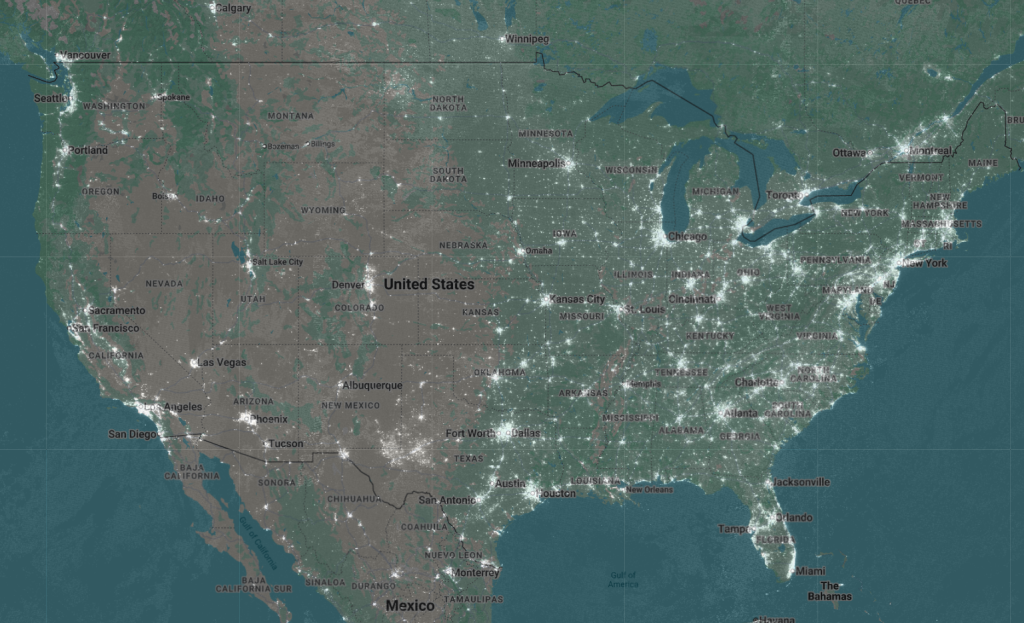
According to Dark Sky International, about 80% of the world lives under light-polluted skies, and roughly one-third of people can’t see the Milky Way at all.
How Dark Skies are Measured
You’ll usually see dark skies described using the Bortle Scale, which is a simple 1–9 rating system based on what you can see with the naked eye.
A Class 1 sky is about as dark as it gets, where the Milky Way is bright and detailed. A Class 9 sky is a city where you’re lucky to spot more than a few stars.
Places like Grand Canyon National Park often fall in the Bortle 1–2 range, which is why Grand Canyon stargazing is such a standout experience.
Dark Sky Parks in Arizona
When you’re looking for astrotourism (a fancy way of saying stargazing), Arizona stands out. It’s one of the few places where protected landscapes still deliver truly dark skies, starting with its officially designated Dark Sky Parks.
Grand Canyon National Park
Designated by DarkSky International, the Grand Canyon National Park offers some of the clearest night skies on the planet. With minimal light pollution and high elevation, the canyon reveals thousands of stars, the Milky Way, and even distant galaxies to the naked eye. It’s not just scenic, it’s cinematic.
Stargazing here turns a bucket-list destination into an after-dark experience most travelers never see coming. The annual Grand Canyon Star Party is held every summer. Also, check the schedule for ranger-led Night Sky Events throughout the year at Grand Canyon National Park.

Grand Canyon Parashant National Monument
Not to be confused with Grand Canyon National Park, Grand Canyon–Parashant National Monument sits on the remote northwestern edge of the canyon and feels like a completely different world. There are no crowds, no lodges, and almost no artificial light. That isolation is exactly why it’s also designated by DarkSky International. The result is a raw, uninterrupted night sky experience that leans more “backcountry expedition” than scenic overlook.

Sunset Crater Volcano National Monument
Sunset Crater Volcano National Monument brings a completely different backdrop to Arizona’s dark sky scene. Located just outside Flagstaff, this landscape of hardened lava flows and a dormant volcano creates a stark, otherworldly setting once the sun goes down. It’s designated by DarkSky International, meaning low light pollution and impressively clear views of the Milky Way. It’s a quieter, more intimate stargazing stop that feels almost surreal under the stars.

Walnut Canyon National Monument
Walnut Canyon National Monument offers a quieter kind of dark sky experience just outside Flagstaff. Known for its cliff dwellings tucked into limestone walls, the canyon takes on a completely different personality after sunset. With minimal light pollution and designation from DarkSky International, you’ll get clear views of the night sky framed by ancient history.

Wupatki National Monument
Wupatki National Monument trades canyon walls for wide-open desert and ancient pueblos, which makes the night sky feel even bigger. Located north of Flagstaff, it’s recognized by DarkSky International for its low light pollution and exceptional visibility. With nothing but open land around you, stargazing here feels expansive, quiet, and almost timeless against the backdrop of centuries-old ruins.

Petrified Forest National Park
Petrified Forest National Park feels almost designed for stargazing. Located in eastern Arizona, far from major cities, it offers some of the darkest skies in the state, officially recognized by DarkSky International.
By day, it’s known for its colorful petrified wood and Painted Desert views. At night, those same landscapes fade into silhouette, letting the Milky Way and endless stars take center stage in a setting that feels completely untouched.
Seeing the stars at Petrified Forest National Park comes with a catch: the park closes to visitors at 5pm. Only two stargazing or astrophotography permits are issued per day. That means you get to see the skies without a chance of running into anyone else.

Pipe Spring National Monument
Pipe Spring National Monument is easy to overlook, which is exactly why it works so well for stargazing. Located on the remote Arizona Strip near the Utah border, it’s far from major light sources and officially recognized by DarkSky International. The historic fort and surrounding desert create a simple, grounded setting where the night sky does all the heavy lifting. It’s quiet, low-key, and surprisingly powerful after dark.

Arizona Dark Sky Communities
Not all dark sky experiences are out in remote parks. Dark Sky Communities are towns and cities that have committed to reducing light pollution, so you can still get impressive stargazing without leaving civilization behind.
Arizona is home to the original Dark Sky Community and several more that draw in guests for daytime adventures and overnight awe-inspiring sights.
Flagstaff
Flagstaff isn’t just a good place for stargazing; it sets the standard. It was the world’s first International Dark Sky Community, thanks to strict lighting ordinances that keep glare low and visibility high. Surrounded by national forests and sitting at 7,000 feet, the skies stay impressively clear. Add in places like Lowell Observatory, and you’ve got a rare mix of science, access, and seriously good night views.

Sedona
Sedona brings a little drama to stargazing in the best way. As an International Dark Sky Community, it keeps light pollution in check while surrounding you with those iconic red rock formations.
At night, they turn into bold silhouettes against a sky packed with stars. You don’t have to go far either. Scenic overlooks, trailheads, and even resort patios can double as front-row seats to the Milky Way.
MORE: Interested in planning a wedding, elopement, or special event in Sedona? Visit Sedona Wedding Packages.

Camp Verde
Camp Verde offers a quieter, more laid-back dark sky experience in the Verde Valley, about two hours south of Grand Canyon National Park. As an International Dark Sky Community, it keeps lighting low and skies clear, without the crowds you’ll find at bigger destinations. It’s an easy add-on if you’re road-tripping through central Arizona, with wide-open views that make stargazing feel simple and unfiltered.
Oak Creek
Village of Oak Creek gives you Sedona-level scenery with a little more breathing room once the sun goes down. Located just south of Sedona, it’s an International Dark Sky Community with lower light levels and easy access to open viewing spots. Bell Rock and nearby trails turn into dramatic silhouettes at night, making it a solid pick if you want big views without the heavier crowds.
Cottonwood
Cottonwood brings a more relaxed, small-town feel to Arizona’s dark sky scene. Set in the Verde Valley between Sedona and Camp Verde, it’s an International Dark Sky Community that balances accessibility with low light pollution. You won’t get the dramatic red rock silhouettes here, but you will get wide, open skies and a quieter place to actually sit and take it all in.
Fountain Hills
Fountain Hills proves you don’t have to go fully remote to see a solid night sky. Located just outside Scottsdale, it’s an International Dark Sky Community that’s made serious efforts to reduce light pollution. With the McDowell Mountains nearby and desert open space all around, you can still catch impressive star views without venturing too far from the Phoenix metro area.

Bisbee
Bisbee feels like a throwback in all the right ways, and that includes its night skies. Tucked into the Mule Mountains near the Mexico border, it’s an International Dark Sky Community that keeps lighting intentionally low. The result is a clear, star-filled sky that pairs surprisingly well with the town’s historic, slightly offbeat vibe. It’s not your typical stargazing stop, and that’s exactly the appeal.

Tubac
Tubac blends its artsy, historic vibe with surprisingly strong stargazing. Located in southern Arizona’s Santa Cruz Valley, it’s an International Dark Sky Community that keeps lighting soft and intentional. Once the galleries close and things quiet down, the sky opens up with clear views of stars overhead. It’s a low-key spot where culture by day turns into calm, open-sky viewing at night.
Dark Sky Approved Lodging
Dark sky–approved lodging takes the idea a step further by building stargazing right into your stay. Properties recognized by DarkSky International follow strict outdoor lighting rules, so you’re not fighting porch lights or parking lot glare. This is a new category for the Dark Sky International group, and we expect this list to expand.
You can also explore our list of lodging recommendations in Northern Arizona.

Under Canvas Grand Canyon
Under Canvas Grand Canyon takes stargazing from something you go out and find to something built into your stay. Located about 25 minutes from the South Rim, this DarkSky-approved glamping site is designed to minimize light pollution while maximizing the view overhead. You can sleep in a Stargazer Tent with a viewing window above your bed or step outside for guided astronomy experiences and telescope sessions.
Map of Dark Sky Locations in Arizona
If your trip to the Grand Canyon for a wedding or elopement includes visiting nearby locations or road-tripping across Arizona, we can help. Here’s a map of the top Dark Sky Communities, Parks, and Lodging in the state.
Plan Your Grand Grand Wedding or Elopement with Grand Canyon Wedding Packages
At Grand Canyon Wedding Packages, we’ve curated a group of vendors and services throughout the region. We make planning a wedding, elopement, or proposal stress-free. Reach out today to learn about the Grand Canyon Wedding Packages difference.