Grand Canyon Stargazing and Astrotourism: Dark Sky Places Worth the Trip

Stargazing at the Grand Canyon

Grand Canyon stargazing takes the experience far beyond sunrise and sunset. The canyon is already unforgettable in daylight, and golden hour does its usual magic. However, Arizona astrotourism is the nightlife you didn’t know you needed until you’re soaking under a sea of stars.

With minimal light pollution and high elevation, this region delivers some of the clearest night skies in the country.

At Grand Canyon Wedding Packages, our focus is on creating a seamless wedding or elopement experience. While stargazing isn’t part of our services, we know many couples want to expand the Grand Canyon experience the night before or after the ceremony. Consider this your inside guide to the Arizona and Grand Canyon stargazing spots to explore on your own.

Grand Canyon stargazing at Desert View Watchtower

Understanding the Dark Sky Designation

Not every place with great stargazing earns an official dark sky designation. The term usually refers to recognition from the International Dark-Sky Association (now known as DarkSky International), which sets strict standards for light pollution, conservation, and public education.

There are a few different types of official dark sky designations you’ll see:

  • Dark Sky Parks: Protected public lands with exceptional night skies and strong conservation efforts
  • Dark Sky Communities: Towns and cities that have adopted lighting policies to reduce light pollution
  • Dark Sky Lodging: Hotels, resorts, or stays designed to give guests optimal stargazing conditions

A certified Dark Sky Park, like Grand Canyon National Park, or a Dark Sky Community, like Flagstaff, has taken real steps to protect its night skies. That includes limiting artificial lighting, using shielded fixtures, and committing to long-term preservation so visibility stays consistent over time.

According to Dark Sky International, about 80% of the world lives under light-polluted skies, and roughly one-third of people can’t see the Milky Way at all.

How Dark Skies are Measured

You’ll usually see dark skies described using the Bortle Scale, which is a simple 1–9 rating system based on what you can see with the naked eye.

A Class 1 sky is about as dark as it gets, where the Milky Way is bright and detailed. A Class 9 sky is a city where you’re lucky to spot more than a few stars.

Places like Grand Canyon National Park often fall in the Bortle 1–2 range, which is why Grand Canyon stargazing is such a standout experience.
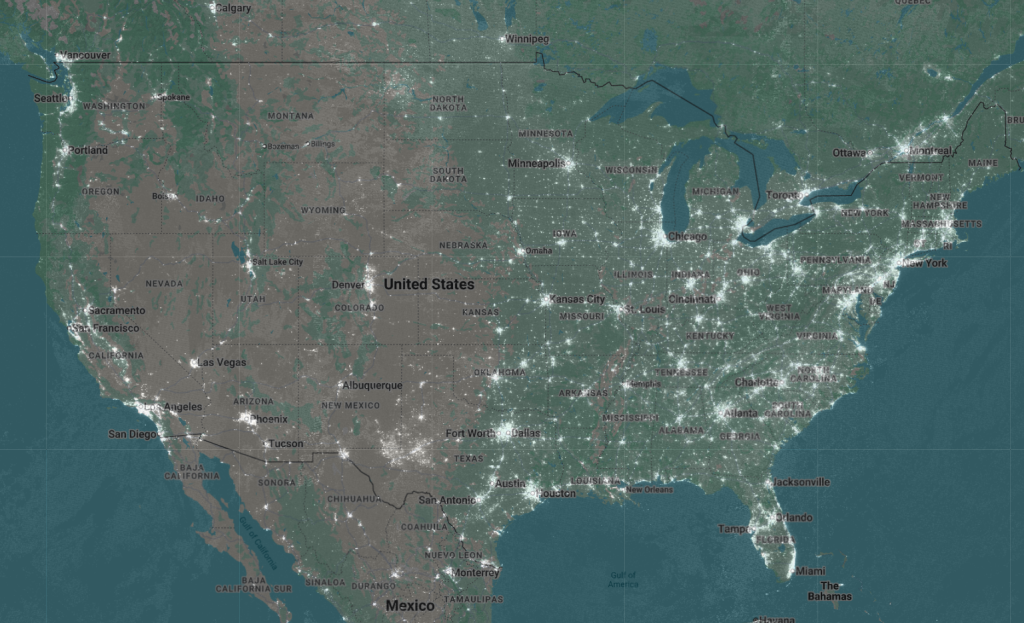
Check the light pollution where you live with this Dark Sky Map.

Dark Sky Parks in Arizona

When you’re looking for astrotourism (a fancy way of saying stargazing), Arizona stands out. It’s one of the few places where protected landscapes still deliver truly dark skies, starting with its officially designated Dark Sky Parks.

Grand Canyon National Park

Designated by DarkSky International, the Grand Canyon National Park offers some of the clearest night skies on the planet. With minimal light pollution and high elevation, the canyon reveals thousands of stars, the Milky Way, and even distant galaxies to the naked eye. It’s not just scenic, it’s cinematic.

Stargazing here turns a bucket-list destination into an after-dark experience most travelers never see coming. The annual Grand Canyon Star Party is held every summer. Also, check the schedule for ranger-led Night Sky Events throughout the year at Grand Canyon National Park.

Grand Canyon stargazing party is held every summer

Grand Canyon Parashant National Monument

Not to be confused with Grand Canyon National Park, Grand Canyon–Parashant National Monument sits on the remote northwestern edge of the canyon and feels like a completely different world. There are no crowds, no lodges, and almost no artificial light. That isolation is exactly why it’s also designated by DarkSky International. The result is a raw, uninterrupted night sky experience that leans more “backcountry expedition” than scenic overlook.

Sunset Crater Volcano National Monument

Sunset Crater Volcano National Monument brings a completely different backdrop to Arizona’s dark sky scene. Located just outside Flagstaff, this landscape of hardened lava flows and a dormant volcano creates a stark, otherworldly setting once the sun goes down. It’s designated by DarkSky International, meaning low light pollution and impressively clear views of the Milky Way. It’s a quieter, more intimate stargazing stop that feels almost surreal under the stars.

Walnut Canyon National Monument

Walnut Canyon National Monument offers a quieter kind of dark sky experience just outside Flagstaff. Known for its cliff dwellings tucked into limestone walls, the canyon takes on a completely different personality after sunset. With minimal light pollution and designation from DarkSky International, you’ll get clear views of the night sky framed by ancient history.

Wupatki National Monument

Wupatki National Monument trades canyon walls for wide-open desert and ancient pueblos, which makes the night sky feel even bigger. Located north of Flagstaff, it’s recognized by DarkSky International for its low light pollution and exceptional visibility. With nothing but open land around you, stargazing here feels expansive, quiet, and almost timeless against the backdrop of centuries-old ruins.

Sunset over Crack in Rock Mesas at Wupatki National Monument

Petrified Forest National Park

Petrified Forest National Park feels almost designed for stargazing. Located in eastern Arizona, far from major cities, it offers some of the darkest skies in the state, officially recognized by DarkSky International.

By day, it’s known for its colorful petrified wood and Painted Desert views. At night, those same landscapes fade into silhouette, letting the Milky Way and endless stars take center stage in a setting that feels completely untouched.

Seeing the stars at Petrified Forest National Park comes with a catch: the park closes to visitors at 5pm. Only two stargazing or astrophotography permits are issued per day. That means you get to see the skies without a chance of running into anyone else.

Pipe Spring National Monument

Pipe Spring National Monument is easy to overlook, which is exactly why it works so well for stargazing. Located on the remote Arizona Strip near the Utah border, it’s far from major light sources and officially recognized by DarkSky International. The historic fort and surrounding desert create a simple, grounded setting where the night sky does all the heavy lifting. It’s quiet, low-key, and surprisingly powerful after dark.

Arizona Dark Sky Communities

Not all dark sky experiences are out in remote parks. Dark Sky Communities are towns and cities that have committed to reducing light pollution, so you can still get impressive stargazing without leaving civilization behind.

Arizona is home to the original Dark Sky Community and several more that draw in guests for daytime adventures and overnight awe-inspiring sights.

Flagstaff

Flagstaff isn’t just a good place for stargazing; it sets the standard. It was the world’s first International Dark Sky Community, thanks to strict lighting ordinances that keep glare low and visibility high. Surrounded by national forests and sitting at 7,000 feet, the skies stay impressively clear. Add in places like Lowell Observatory, and you’ve got a rare mix of science, access, and seriously good night views.

Sedona

Sedona brings a little drama to stargazing in the best way. As an International Dark Sky Community, it keeps light pollution in check while surrounding you with those iconic red rock formations.

At night, they turn into bold silhouettes against a sky packed with stars. You don’t have to go far either. Scenic overlooks, trailheads, and even resort patios can double as front-row seats to the Milky Way.

MORE: Interested in planning a wedding, elopement, or special event in Sedona? Visit Sedona Wedding Packages.

Camp Verde

Camp Verde offers a quieter, more laid-back dark sky experience in the Verde Valley, about two hours south of Grand Canyon National Park. As an International Dark Sky Community, it keeps lighting low and skies clear, without the crowds you’ll find at bigger destinations. It’s an easy add-on if you’re road-tripping through central Arizona, with wide-open views that make stargazing feel simple and unfiltered.

Oak Creek

Village of Oak Creek gives you Sedona-level scenery with a little more breathing room once the sun goes down. Located just south of Sedona, it’s an International Dark Sky Community with lower light levels and easy access to open viewing spots. Bell Rock and nearby trails turn into dramatic silhouettes at night, making it a solid pick if you want big views without the heavier crowds.

Cottonwood

Cottonwood brings a more relaxed, small-town feel to Arizona’s dark sky scene. Set in the Verde Valley between Sedona and Camp Verde, it’s an International Dark Sky Community that balances accessibility with low light pollution. You won’t get the dramatic red rock silhouettes here, but you will get wide, open skies and a quieter place to actually sit and take it all in.

Fountain Hills

Fountain Hills proves you don’t have to go fully remote to see a solid night sky. Located just outside Scottsdale, it’s an International Dark Sky Community that’s made serious efforts to reduce light pollution. With the McDowell Mountains nearby and desert open space all around, you can still catch impressive star views without venturing too far from the Phoenix metro area.

Bisbee

Bisbee feels like a throwback in all the right ways, and that includes its night skies. Tucked into the Mule Mountains near the Mexico border, it’s an International Dark Sky Community that keeps lighting intentionally low. The result is a clear, star-filled sky that pairs surprisingly well with the town’s historic, slightly offbeat vibe. It’s not your typical stargazing stop, and that’s exactly the appeal.

Tubac

Tubac blends its artsy, historic vibe with surprisingly strong stargazing. Located in southern Arizona’s Santa Cruz Valley, it’s an International Dark Sky Community that keeps lighting soft and intentional. Once the galleries close and things quiet down, the sky opens up with clear views of stars overhead. It’s a low-key spot where culture by day turns into calm, open-sky viewing at night.

Dark Sky Approved Lodging

Dark sky–approved lodging takes the idea a step further by building stargazing right into your stay. Properties recognized by DarkSky International follow strict outdoor lighting rules, so you’re not fighting porch lights or parking lot glare. This is a new category for the Dark Sky International group, and we expect this list to expand.

You can also explore our list of lodging recommendations in Northern Arizona.

Under Canvas Grand Canyon

Under Canvas Grand Canyon takes stargazing from something you go out and find to something built into your stay. Located about 25 minutes from the South Rim, this DarkSky-approved glamping site is designed to minimize light pollution while maximizing the view overhead. You can sleep in a Stargazer Tent with a viewing window above your bed or step outside for guided astronomy experiences and telescope sessions.

Map of Dark Sky Locations in Arizona

If your trip to the Grand Canyon for a wedding or elopement includes visiting nearby locations or road-tripping across Arizona, we can help. Here’s a map of the top Dark Sky Communities, Parks, and Lodging in the state.

Plan Your Grand Grand Wedding or Elopement with Grand Canyon Wedding Packages

At Grand Canyon Wedding Packages, we’ve curated a group of vendors and services throughout the region. We make planning a wedding, elopement, or proposal stress-free. Reach out today to learn about the Grand Canyon Wedding Packages difference.

Walking Above the Clouds: The Grand Canyon Inversion Explained

grand canyon wedding cloud inversion

You plan a Grand Canyon South Rim wedding for the views. The kind that stops people mid-conversation and makes them reach for their cameras. But every so often, a Grand Canyon cloud inversion changes everything. The canyon you came to see? Gone. In its place, a blanket of clouds stretches as far as you can see.

It’s not something you can schedule or guarantee. A cloud inversion shows up on its own terms, usually tied to very specific seasonal conditions. And when it does, it creates a completely different kind of moment. One that feels quieter, a little surreal, and honestly, just as unforgettable.

For couples planning a Grand Canyon wedding, it’s the unexpected twist. You might get those classic, sweeping canyon views. Or you might find yourself standing above the clouds, watching something most visitors never get to see.

So what actually causes it, and when do your odds of catching one increase?

grand canyon wedding cloud inversion

What Is Cloud Inversion at the Grand Canyon?

A Grand Canyon inversion, often called a cloud inversion, happens when a layer of cool air gets trapped beneath warmer air inside the canyon. Instead of fog rising and clearing like it normally would, it settles low and stays there. The result is a thick layer of clouds filling the canyon while the rim sits above it in clear air.

From the edge, it can look like the canyon has completely disappeared. What you’re actually seeing is a weather pattern doing something a little backward. The colder, denser air stays put, holding moisture in place, while the warmer air above acts like a lid.

At the Grand Canyon, this setup is especially striking because of the depth and shape of the landscape. When conditions line up just right, the entire canyon can fill with clouds, creating that “above the clouds” effect people rarely expect when they show up for those big, open views.

grand canyon wedding cloud inversion

The Only Time of Year Cloud Inversion Happens at the Grand Canyon

A Grand Canyon cloud inversion doesn’t just happen out of nowhere. It needs a pretty specific mix of atmospheric ingredients.

  • You need moisture in the canyon, usually from recent rain or snow.
  • You need clear, calm nights that allow the air near the canyon floor to cool quickly.
  • You need a layer of warmer air above it to trap that cooler, moist air in place.

That combination is what creates a cloud inversion instead of letting fog burn off by morning.

Because of that setup, cloud inversions are most likely in the late fall through winter months, typically November through February. That’s when colder overnight temperatures and lingering moisture line up just right. Early mornings are your best shot, especially right after a storm system moves through and skies begin to clear.

It’s still not something you can plan a Grand Canyon winter wedding around. Even during peak months, inversions are hit or miss. But if you’re there at the right time, under the right conditions, you might catch one of the rarest and most surreal views the canyon has to offer.

grand canyon wedding cloud inversion

Will Grand Canyon’s Winter Inversion Ruin Wedding Photos?

Short answer? Not even close.

A Grand Canyon cloud inversion doesn’t ruin your wedding photos. It just gives the canyon a completely different personality. Instead of those wide, layered views, you get something softer, moodier, and honestly a little more cinematic. Think clouds rolling below the rim, light diffusing in ways you can’t fake, and photos that feel more like a moment than a postcard.

It’s also not an all-day situation. A cloud inversion shifts as the morning warms up. You might start with a full blanket of clouds, then watch it break apart into pockets of fog. Sometimes it settles just below the horizon, giving you that “clouds beneath your feet” effect while still keeping parts of the canyon visible.

For a Grand Canyon wedding, that variability works in your favor. You’re not locked into one look. Within the same ceremony window, you could get a mix of classic canyon views, partial inversion, and those surreal above-the-clouds shots. It’s less about losing the view and more about getting a version of the canyon most people never see.

grand canyon wedding cloud inversion

Planning Your Grand Canyon Wedding in Clear Skies or Clouds


Planning a Grand Canyon wedding means embracing whatever the canyon decides to do that day. Clear skies, layered views, or a full Grand Canyon inversion. Each one brings something different, and none of them is the wrong backdrop.

That’s where experience matters. With Grand Canyon Wedding Packages, you’re not guessing how the day will go. You’re working with a team that has planned and photographed weddings in every type of condition the Grand Canyon South Rim can throw at you. We know how to pivot, how to time it, and most importantly, where to go.

Whether the canyon is wide open or hidden beneath a layer of clouds, we’ll guide you to the best possible locations and lighting so your photos feel intentional, not improvised. You show up, take it in, and we handle the rest.

Grand Canyon Wedding Photos Without the Fear of Heights: How It’s Done

grand canyon wedding photos on the edge

If you’ve ever looked at Grand Canyon wedding photos and thought, “That’s beautiful… but I could never stand there,” you’re not alone. Those edge-of-the-rim shots can feel intense, especially if heights aren’t your thing.

Here’s what most people don’t realize. That dramatic look is often created through smart positioning and photography, not by putting you in a risky spot. You can have those jaw-dropping views without the stomach-dropping feeling.

grand canyon wedding photos on the edge

How Grand Canyon Wedding Photos Create the “Edge” Look

What looks like standing on the edge is usually a mix of angles, depth, and framing. Photographers know how to use the natural layers of the canyon to create that sweeping, dramatic effect.

In many cases, couples are standing on stable, flat ground with plenty of space around them. A slight shift in camera position can make it feel like you’re right at the drop-off, even when you’re not.

It’s not about getting closer to the edge. It’s about knowing how to use what’s already there.


A Grand Canyon Wedding Experience Built Around Your Comfort

Your comfort drives every decision. If you don’t like heights, we plan around that from the start. That means choosing South Rim locations that feel open, grounded, and easy to navigate.

Not every South Rim location feels the same. Some areas are more exposed, while others offer wider space, natural barriers, or terrain that feels more secure underfoot.

We take the guesswork out of that. Based on your comfort level, we’ll guide you to locations that give you the best views without the uneasy feeling.

Grand Canyon Wedding Packages offers elopement, micro-wedding, and wedding locations at:

  • Grandeur Point: 7,050’
  • Lipan Point: 7,400’
  • Moran Point: 7,000’
  • Pima Point: 6,500’
  • Rim Worship Site: 6,800’
  • Shoshone Point: 7,300”

There’s no pressure to “be brave” or push through discomfort. You won’t be asked to stand anywhere that makes you uneasy. The goal is simple. You should feel relaxed enough to enjoy your wedding, not focused on where you’re standing.

Couple sitting on a ledge at a Grand Canyon wedding with inversion causing clouds in the canyon with snowcapped mountains surrounding them.

You Don’t Have to Look Down to Get the Shot

One of the easiest ways to take the pressure off is to stop thinking about the height altogether. Most of your photos won’t involve looking over the edge anyway.

We guide you through natural moments. Walking together, turning toward each other, holding hands, sharing a quiet laugh. Your focus stays on each other, while the canyon does what it does in the background.

This not only helps if you’re nervous, it also creates more genuine, relaxed photos.

on the edge of the grand canyon for wedding photos

No Fear of Heights? You’re Still Safe with Us

If you love those bold, adventurous photos, we can absolutely create that look. But there’s a clear line between dramatic and dangerous, and we never cross it.

Even for couples who want that edge-style shot, we use safe footing, controlled positioning, and experienced photographers who know exactly how to capture the moment without risk.

You get the visual impact without compromising safety. Every time.


Your Grand Canyon Wedding, Your Comfort Level.

There’s a common assumption that a Grand Canyon wedding is only for adventurous, thrill-seeking couples. That’s not true.

You don’t need to love heights to get married here. You just need a plan that works for you. Once couples understand how everything is set up and how the photos come together, that initial hesitation usually fades.

If you want the dramatic look, the experienced team at Grand Canyon Wedding Packages creates it safely. If you’d rather keep your distance, we’ll make sure your photos are just as stunning. Either way, you’ll walk away with images that feel like you and a day you were actually able to enjoy.

Because the best photos don’t come from pushing your limits. They come from feeling comfortable enough to be fully present.

Grand Canyon Wedding Shoes: Our Real-World Guide for Brides

Grand Canyon Wedding Shoes

Wedding shoes at the Grand Canyon are one of those decisions that feel small until you’re standing on uneven rock, wind picking up, trying to move naturally in photos. Our job is to help you think through what that choice looks like out here, where terrain, weather, and walking distances matter.

We’ve seen it all. Stunning choices that photographed beautifully and felt great, and a few that looked amazing for five minutes but didn’t hold up. That’s where we come in. Not to tell you what to wear, but to help you avoid discomfort and get the kind of photos you’ll love. Up next, real examples from our brides so you can see what works and what might not.

Grand Canyon Wedding Shoes

Choosing Shoes for Your Grand Canyon Wedding: By the Season

The South Rim isn’t your typical “hot Arizona” setting, and that catches a lot of people off guard. Elevation changes everything. It’s a good idea to start with our month-by-month Grand Canyon Wedding Weather Guide to see what to expect.

You can get sunshine, wind, rain, or even snow, depending on the time of year, sometimes all in the same week. That’s why your shoe choice isn’t just about style. It’s about how it holds up in real conditions.

  • In summer months, lightweight and breathable works well, but you’ll still want stability on uneven ground.
  • Spring and fall can bring cooler temps and sudden weather shifts, so closed-toe options or something with a bit more support tend to be a safer bet.
  • Winter is where things really change. Ice, snow, and cold surfaces make traction and warmth non-negotiable.

“You can absolutely bring a more elevated or classic pair for photos. A lot of our brides do. Just make sure your primary shoes are comfortable and practical for walking, standing, and moving around the rim,” Dana Micklos, founder of Grand Canyon Wedding Packages, said.

Let’s look at some real-life options that brides rocked at various South Rim locations for a Grand Canyon wedding.

flower bouquet and shoes on a bed of snow for a Grand Canyon winter wedding

Grand Canon Wedding Shoes: Neutral Colors

Neutral wedding shoes are one of the easiest wins at the Grand Canyon. Soft tones like ivory, tan, nude, or light brown blend naturally with the rock, sand, and desert tones around you. They don’t compete with your dress or the landscape, which means your photos feel clean and timeless instead of busy.

This is the route a lot of our brides take when they want something simple that still looks intentional. Whether it’s a sandal, flat, or low heel, neutral tones keep the focus where it belongs, on you and the setting, not your shoes.


Grand Canyon Wedding Sneakers

Sneakers are one of the most common choices we see, and for good reason. When you’re walking on uneven ground, dealing with wind, or covering a bit of distance, comfort quickly becomes the priority. Some brides keep it simple with clean, neutral sneakers that just get the job done. Others lean into it with sparkly pairs, custom designs, or name-brand kicks that add a little personality.

This is where you can have some fun without sacrificing stability. Sneakers give you grip, support, and the freedom to move around without thinking twice, which usually translates into more relaxed, natural photos.


The Dressy Side of Grand Canyon Wedding Shoes for Brides

You don’t have to let the terrain completely dictate your style, especially if those classic “shoe shots” matter to you. Heels, embellished sandals, and more formal options can absolutely have their moment here. The key is knowing when to wear them and when to swap them out.

We often recommend treating your dressy shoes like a photo accessory. Bring them out for portraits, detail shots, or flatter surfaces where you can stand comfortably. Then switch back to something more practical when you’re moving between locations.

Micklos adds, “Always bring a pair a comfy shoes, like sneakers or ballet flats with some traction — shoes that are easy to slip off and on. These can be just for walking around to get to the different vantage points for photos.”


Wedding Shoes with Pops of Color for a Grand Canyon Wedding

If you want your shoes to stand out in the best way, this is where things get fun. Pops of color create a bold contrast against the Canyon’s natural tones, which makes them show up beautifully in photos without overwhelming the moment.

We’ve seen everything from colorful rain boots to bright sneakers to bold heels, and they all work when they reflect your personality. The key difference here is intention. Instead of blending in, these choices add a layer of style that feels uniquely yours.

It’s a simple way to bring energy into your look while still letting the landscape do its thing.


Cowboy Boots for a Grand Canyon Wedding

Cowboy boots just make sense out here. Whether it’s a style choice, a nod to your roots, or simply the most comfortable option you own, they fit the setting without trying too hard. They hold up well on uneven ground, give you solid traction, and still look incredible in photos.

We’ve seen everything from classic leather to detailed, embroidered pairs that feel like part of the outfit, not an afterthought. They add a bit of personality and a hint of rustic charm that actually complements the Canyon instead of competing with it.


Get Creative with Your Grand Canyon Wedding Shoes

This is your permission to ignore the “rules.” Some of the most memorable choices we’ve seen weren’t traditional at all. Barefoot moments along the rim, novelty slippers for a quick laugh, even Crocs that somehow made perfect sense for the couple.

These choices aren’t about trends. They’re about personality. If it makes you comfortable, makes you laugh, or means something to you, it works. Just keep safety in mind, especially near edges or uneven ground.

The result is photos that feel less posed and more like you.


The One Shoes We Don’t Recommend for Grand Canyon Wedding Brides

Flip flops might seem like the easiest backup option, but they’re one of the few choices we gently steer brides away from. The terrain can be uneven, loose, and windy, which makes it harder to walk in and easier to slip out of. They also don’t offer much support when you’re moving between spots or standing for photos.

We’re all about comfort and personal style, so if they’re part of your vision, that’s your call. Just know there are options that give you that same ease with a lot more stability. Simple flats, secure sandals, or slip-on sneakers tend to feel just as effortless without the extra hassle. Think Tevas or Crocs instead of barely-there flip flops.

grand canyon wedding shoes crocs

Practical Shoe Decisions for Grand Canyon Wedding Guests

Guests tend to underestimate this one. The Grand Canyon isn’t the place for stilettos or anything delicate, even if the invite says “dressy.” Uneven ground, gravel paths, and wind can turn a great outfit into a balancing act pretty quickly.

If you want to look put together, go for:

  • Closed-toe shoes
  • Low wedges
  • Flats

Those tend to hold up best while still feeling appropriate for a wedding.

A lot of guests will also bring a second pair. Something practical for walking to the ceremony spot, then switch into their nicer shoes once they’re in place. It’s a simple move that makes the whole experience easier and a lot more enjoyable.


You’ve Got the Shoes. We’ll Help With the Rest.

Once you’ve picked your shoes, everything else starts to fall into place. And if you’re still deciding, the experienced team at Grand Canyon Wedding Package will help you think through what actually works for your location, timing, and movement on the South Rim.

We guide our couples through the real logistics, where you’ll walk, where you’ll stand, and what surfaces you’ll be on, so your choice feels good the whole time, not just in photos. Our wedding packages are curated using the best

Our wedding packages are curated for a reason. We’ve spent years finding the right vendors, people who know this landscape, understand the logistics, and help everything run smoothly without you having to think twice.

So while you focus on telling us the details that feel like you, we’ll take a lot of the stress and guesswork off your plate and make sure it all comes together the way it should.

Get Your Kicks (and Wedding Pics) on Route 66 in Arizona

must see stops on arizona route 66 road trip

The centennial of Route 66 is upon us. That’s 100 years of celebrating the nostalgia and eccentricities of the Mother Road. A slice of the 2,448-mile road cuts through 385 miles in the center of Arizona.

If you’re planning a 2026 wedding at the Grand Canyon, in Flagstaff, or in Sedona, you might want to consider some of these must-see locations for wedding photos, selfies, or side trips with impromptu photo ops.

This list is also great to share with your wedding party and guests if they plan to do some exploring on their own, or if you want great group shots!

Whether you’re looking for a June 6 (6/6/26) wedding day or just want to join in on the year-long celebration, Arizona is filled with wonderful wedding memories on the Mother Road. 


Top 11+ Stops on a Route 66 Road Trip through Arizona

Photo Shoot Flagstaff’s Route 66 Mural

Start your Route 66 photo journey in downtown Flagstaff, where the city’s bold Route 66 mural outside the Visitor Center gives couples a classic “Mother Road” backdrop. As a bonus, no traffic dodging is required since the seal is safely off the main street. 

The nearby train depot and vintage signage round out the scene, blending Flagstaff’s railroad roots with its mid-century charm. A Route 66 Centennial Celebration is planned for June 6 in Flagstaff.


Ride the Grand Canyon Railroad (Williams)

All aboard for timeless romance. The Grand Canyon Railway links the retro magic of Route 66 with the grandeur of the canyon itself. Williams is the only town where a working railway and historic Route 66 share the same Main Street. Couples can pose with vintage locomotives or hop the train for a once-in-a-lifetime ride into the past.

The Grand Canyon Railway Adventure Elopement package is suitable for couples looking to have a true adventure on their wedding day. This package is a day-trip by train to the Grand Canyon, departing from Williams, AZ.

Pose Around Williams Historic Route 66 District (Williams)

Known as the “Gateway to the Grand Canyon,” Williams glows with retro neon and 1950s style. Walkable blocks lined with diners, motels, and vintage cars make it an irresistible backdrop for golden-hour photos. Every corner feels cinematic, and the mix of bright signage and small-town energy keeps the Mother Road spirit alive.

June 6 and 7 of 2026 are blocked off for the Historic Route 66 Car Show in Williams. 

Route 66 places to see in Williams:
• Pete’s Gas Station Museum
• Cruiser’s Café 66
• Rod’s Steak House


Walk Historic Downtown Kingman

Walk Historic Downtown Kingman offers a mix of preserved 1940s storefronts, colorful murals, and retro neon signs that light up after dark. Along the way, you’ll find cafés, antique shops, and the Powerhouse Visitor Center, home to the Arizona Route 66 Museum, making it one of the most authentic slices of the Mother Road still standing. 

Look for the neon heart marking the “Heart of Historic Route 66” for a photo every lovebird will keep forever.

Check the schedule of events for June events in Kingman, but the annual Route 66 Fest is held every October.


Seligman Historic District (Seligman)

If Route 66 had a beating heart, Seligman would be it. Expect kitschy storefronts, 1950s diners, and murals that make for fun, personality-packed wedding portraits. Road trippers will love the 160-mile stretch from Seligman to Topock, the longest remaining stretch of the original Mother Road. Visit in early May for the Route 66 Fun Run along the route.

Fun Fact: Seligman inspired Pixar’s Cars and served as the real-life model for Radiator Springs. Couples who love Pixar or Route 66 nostalgia can recreate their own “Life is a Highway” moment right here.

Route 66 places to see nearby:

• Delgadillo’s Snow Cap Drive-In

• Roadkill Café

• Historic Route 66 Gift Shop


Oatman Ghost Town (Oatman)

If you’re driving between Las Vegas and Flagstaff, Oatman makes a perfect Route 66 side trip. Once a bustling mining town, it now feels frozen in time with wooden boardwalks, free-roaming burros, and sun-worn storefronts straight out of an old Western. The mix of rustic textures, quirky locals, and classic signage turns even a quick stop into a cinematic photo opportunity.


Twin Arrows Trading Post Ruins (east of Flagstaff)

The two massive arrows shooting into the desert earth are all that remain of this 1950s trading post, but they’re striking enough to anchor an entire photo session. The contrast of bright color, desert emptiness, and Arizona sky makes this a minimalist dream spot.

Twin Arrows in Twin Arrows. Arizona. Photo by Marine 69-71, used under Creative Commons license.

Holbrook’s Wigwam Motel (Holbrook)

Few places capture Route 66 nostalgia like the Wigwam Motel, where guests sleep in concrete teepees surrounded by classic cars. Couples love night shots here—neon reflections, vintage chrome, and a backdrop straight from the golden age of road trips. It’s kitschy, colorful, and unapologetically iconic.

Image courtesy: Wigwam Motel

Truxton Canyon (Truxton)

This quiet stretch between Seligman and Kingman is all about mood. Empty highways, leaning signs, and big-sky horizons make it a photographer’s playground. Truxton is perfect for couples who want a sense of isolation and romance, not just retro flair. At sunset, the whole landscape glows amber.

Route 66 places to see nearby:

• Frontier Motel & Café (Truxton)

• Keepers of the Wild Nature Park (Valentine)

• Hackberry General Store


Grand Canyon Caverns

Just off Route 66, Grand Canyon Caverns delivers atmosphere both above and below ground. Couples can shoot among vintage cars and quirky roadside attractions, or descend into the caverns for something surreal and unforgettable. The underground wedding suite adds a once-in-a-lifetime story to any Route 66 celebration.

Route 66 places to see nearby:
• Caverns Inn Motel
• Peach Springs Trading Post
• Hualapai Lodge

Grand Canyon Caverns is near the Hualapai Reservation, which is home to Grand Canyon West. When you see ads in Vegas for chopper tours to the canyon, the Grand Canyon Skywalk, or Havasupai Falls, this is the section being referred to—not Grand Canyon National Park, where we do weddings.


Stand on a Corner in Winslow, Arizona

Less than an hour from Flagstaff, you’ll be in the city where the Eagles made a simple street corner iconic. There’s even a flatbed Ford ready for posing! If you take the trip to Winslow, be sure to explore the historic district, cultural icons, and natural wonders. 

Route 66 places to see in/around Winslow:

• La Posada Hotel

• Old Trails Museum

• Meteor Crater Natural Landmark


Plan Your 2026 Northern Arizona Wedding

We know a lot of people are planning to take the Mother Road adventure in 2026, and this is a great time to pair it with a proposal, elopement, or wedding.

Arizona Destination Management offers several options for couples looking to exchange vows in Flagstaff, the Grand Canyon, or Sedona. We offer curated wedding packages that make for a stress-free and fabulous wedding, micro-wedding, or elopement.

Keep reading for more epic adventures in Northern Arizona. 

Route 66 Turns 100: How to Time Your Arizona Wedding with the Celebration

route 66 100 years old

Few places capture the spirit of Americana like Route 66, and in 2026, that legendary stretch of asphalt turns 100. Arizona boasts the longest remaining stretch of the original Route 66, winding through red rock country, pine forests, and the kind of neon-lit postcard towns. It’s the perfect pairing for weddings in Sedona, Flagstaff, or the Grand Canyon.

For couples dreaming of a destination wedding with personality, this is your moment to merge romance and road-trip nostalgia. Expect the wedding date of June 6 (6/6/26) to book up quickly, but don’t worry, the Mother Road celebration runs all year long. 


The Importance of Arizona on Route 66

Arizona isn’t just another stop on Route 66—it’s the state that kept the Mother Road’s soul alive. When much of the original highway was bypassed by the interstate, Arizona towns like Seligman, Williams, and Kingman fought to preserve the Mother Road’s character, sparking the grassroots movement that saved Route 66 from fading into history.

This stretch covers more original mileage than any other state and offers some of the best-preserved roadside Americana in the country. You’ll find vintage motels still glowing with neon, trading posts that haven’t changed in decades, and diners that serve up milkshakes the same way they did in the 1950s.

Some other notable facts about Arizona’s leg of Route 66 include:

  • Length: Arizona’s stretch of Route 66 runs about 385 miles, the longest continuous preserved section of the Mother Road in the U.S.
  • Original Route: It follows the historic path from Lupton (near the New Mexico border) to Topock (on the Colorado River).
  • Pixar Connection: The town of Seligman inspired Pixar’s Cars and the fictional Radiator Springs, giving Arizona a starring role in modern Route 66 nostalgia.
  • Historic Recognition: In 1985, the stretch from Ash Fork to Kingman was officially designated as a Historic Route, one of the first in the nation.
  • Scenic Variety: The Arizona route crosses desert plains, red rock mesas, pine forests, and mountain passes—all within a single day’s drive.
  • Tourism Impact: Arizona remains one of the most photographed and visited Route 66 states, drawing travelers from over 60 countries each year.

For couples planning a wedding, that blend of natural beauty, nostalgia, and cultural history is exactly what sets Arizona apart. You’re not just getting married near Route 66—you’re becoming part of its story.


Iconic Route 66 Stops within an Hour of Flagstaff

When planning a destination wedding in Northern Arizona, the bonus of having Route 66 nearby during the Centennial year is a real draw for your guests, too. If your wedding base is in Flagstaff, Sedona, or the Grand Canyon area, you’re surrounded by photogenic Route 66 towns worth a side trip.

  • Flagstaff – Cool, walkable, and full of mid-century neon that still flickers to life at night. Between the mountain backdrop, old-school motels, and live music spilling from breweries, Flagstaff nails that retro-meets-modern vibe without trying.
  • Williams – Known as the “Gateway to the Grand Canyon,” this Route 66 hub is full of classic diners, murals, and train-station charm.
  • Seligman – Bursting with vintage signs and quirky storefronts, this town inspired Pixar’s Cars and makes for colorful photo ops.
  • Winslow – “Standin’ on the Corner” is more than a lyric here—it’s a photo tradition. A laid-back stop with authentic Americana vibes that begs you to Take It Easy.

MORE: Epic Adventures in Northern Arizona


Start Planning Your Mother of All Weddings Near the Mother Road

Route 66 turning 100 is sure to bring the Mother Road back to life, and anyone with a love of Americana nostalgia will want a slice. Look for official Route 66 Centennial events in your preferred Arizona city. 

Whether you’re looking for an elopement, micro-wedding, or wedding near the Grand Canyon, Sedona, or Flagstaff, let our team find the perfect location for your special day. With decades of experience planning weddings and an all-local team, we’ve created the best packages that exceed your expectations while keeping the process stress-free.

The team at Grand Canyon Wedding Packages offers special event planning, whether it’s a Route 66 bike rally, car show, work gathering, or any other kind of celebratory event. We know this region, the vendors, and the options to help you plan a wonderful event anytime during the Route 66 Centennial year and beyond.

Which Time Zone Is the Grand Canyon In? Season Guide + Tips

“What time is it in Arizona?” It’s a simple question with a not-so-simple answer, depending on what time of year and what part of Arizona you’re visiting. The Arizona time zone confuses some because the state doesn’t adhere to Daylight Saving Time.

If you’re trying to schedule travel plans or an itinerary for a Grand Canyon wedding, we’re here to make “Arizona Time” easier to understand.

We found this topic especially important since many online articles about Arizona’s time zone were more confusing than helpful. Read on to find out everything you need to know about Arizona’s unique time zone.

NOTE: For ease of reading this article, Standard Time references will be referred to as “winter,” while Daylight Time will be listed as “summer.”


Why Doesn’t Arizona Follow Daylight Saving Time?

To answer that question, it helps to know the purpose of the time change. Time zones were established by railroads in the late 1880s, and every state was on Standard Time.

The idea of moving ahead one hour in the spring came from the energy-saving cost benefits during wartime in the early 1900s. It then transitioned to the benefit of having an extra hour of daylight in the evening during the warmer spring and summer months.

The Uniform Time Act of 1966 established a fixed schedule of Daylight Saving Time at the federal level. Since then, Daylight Saving Time has started on the second Sunday in March and ends on the first Sunday in November–always on a weekend and always at 2am local time. In March, all clocks move forward one hour. In November, clocks “fall back” an hour.

Arizona wasn’t happy with Daylight Saving Time from the start. Simply put, Arizona leaders believed the state already had enough heat and sun in the summer. Plus, adding an hour would increase energy consumption and costs for air conditioning.

Plus, consider that even without Daylight Saving Time, August temperatures at the bottom of the Grand Canyon reach 106° F on average and reach 110° F in Yuma. Another hour of summer sunshine wasn’t necessary or desired.

Is Daylight Saving Time Optional? Under the Uniform Time Act of 1966, states have the option to exempt themselves from DST by passing a state law or regulation. Arizona, along with Hawaii, has chosen not to observe it.

Not ALL of Arizona Skips Daylight Saving Time

The only exception to Daylight Saving Time in Arizona is the Navajo Nation, a sovereign nation with a footprint that is largely in northeastern Arizona but also expands to Utah and New Mexico.

The decision to adopt Daylight Saving Time in the Navajo Nation keeps the multi-state land in the same time zone year-round.

However, there are more exceptions within that exception. Keep reading for specific examples.


How Does Daylight Saving Time Impact Arizona?

At the root of Arizona time zone comprehension is understanding that half the year, Arizona is in tandem with the Mountain Time Zone. The other half of the year syncs with the Pacific Time Zone.

When visitors outside the state make travel arrangements, things can get tricky. This is also where many sources make it overly confusing.

Arizona is always in Mountain Standard Time, which is not the same as saying Arizona is always in the Mountain Time Zone.

Arizona is always in Mountain Standard Time, which is not the same as saying Arizona is always in the Mountain Time Zone. Mountain Standard Time is always UTC-7. (UTC, or Universal Time Coordinated, serves as the time zone baseline from which all other time zones are calculated. Here’s an easy UTC clock.)

In winter, Arizona is on Standard Time (UTC-7). When other states “spring forward” in March, that means they are on Daylight Time. Utah goes from Mountain Standard Time to Mountain Daylight Time for summer, which is UTC-6. Since Arizona doesn’t change, it’s still at UTC-7. Technically, it’s still on Mountain Standard Time.

It’s the “Mountain Standard Time” year-round part that confuses some because flights, weddings, and attractions aren’t booked with that caveat in mind. They are booked based on Pacific Time and Mountain Time in mind, whether it’s summer or winter (Daylight or Standard).

Now, to further understand, it’s important to note that Pacific Standard Time is UTC-8, but when Daylight Saving Time kicks in, the one-hour leap puts it at UTC-7, which is the same as Arizona. In summer, it’s most commonly understood that Arizona is on Pacific Daylight Time since they are both UTC-7.

Arizona technically sticks to Standard Time year-round. It’s just easier to say, “Arizona is in the Pacific Time Zone in the summer.”

Harun Mehmedinovic grand canyon wedding packages destination weddings USA

Examples of Arizona’s Time Zone Travel Impact

The concept becomes easier to understand when you look at real-life examples of how this transition can impact a trip to the Grand Canyon for a wedding or elopement.

Driving from Las Vegas to the Grand Canyon

If you’re flying into Las Vegas (LAS) for the drive to the Grand Canyon’s South Rim in summer, the route is 280 miles and will take about four hours and 15 minutes. Nevada and Arizona will be in the same time zone. If you leave Las Vegas at noon, you’ll arrive at Grand Canyon Village around 4:15pm.

Leaving LAS on a winter day still takes about 4:15 drive time. The difference is that LAS will be on Pacific Standard Time. When you cross into Arizona, you’ll be on Mountain Standard Time, meaning the clocks move ahead an hour. That same drive has an arrival time of 5:15pm, even though you’ve driven the same distance.

On the return trip, driving from the Grand Canyon to LAS means you leave at noon, making the four-hour 15-minute drive, but you’ll go back an hour when you cross into Nevada. That means instead of arriving at 4:15pm, you’ll arrive at 3:15pm during winter.


Flying Between Time Zones to Arizona

Those flying into Phoenix might notice something odd when booking flight times from different time zones. Let’s look at Denver as an example.

Denver and Phoenix are both in Mountain Standard Time in winter. The flight between the two cities takes roughly two hours. A noon flight out of DEN in winter will get you to PHX at 2pm.

That same flight that leaves at noon in summer will have an arrival time of around 1pm since you “gained an hour” flying from Denver’s Mountain Time zone to Arizona’s alignment with Pacific Daylight Time.

On the other hand, flying from Los Angeles is always a 90-minute flight. However, in winter, a 7am flight gets you into Phoenix at 9:30am. That’s due to 90 minutes of flight plus the hour gained when moving between Pacific Standard Time and Mountain Standard Time.

In summer, the 7am flight lands at 8:30 am since both L.A. and Phoenix are in sync with Pacific Daylight Time.


Arizona Time Zone Easy Calendar

Visiting Antelope Canyon, Glen Canyon, or Monument Valley

As noted above, the Navajo Nation adheres to Daylight Saving Time. When planning things to do during your Grand Canyon wedding trip, you’ll run into places that are in Utah or within the boundaries of the Navajo Nation.

Again, in winter, Arizona, Utah, and the Navajo Nation are in the Mountain Time Zone. Planning times aren’t a challenge. However, summer is where things get confusing when Utah is one hour ahead of Arizona.

Here’s why:

  • Glen Canyon National Recreation Area: While most of the NRA and Lake Powell are in Utah, the headquarters is in Arizona. That means the entire NRA is at the same time as the Grand Canyon, no matter what.
  • Antelope Canyon: While this stunning slot canyon wonderland is on the Navajo Nation, it is an exception to the Daylight Saving Time rule. Since tours are required to explore the canyons, organizers found it easier to keep those on Arizona Time.
  • Vermilion Cliffs National Monument: Depends on where you are within the monument, but all permit system times are based on the Utah/Navajo Nation. In-person activities and hikes will follow the time zone of the state you are in.
  • Monument Valley: This spectacular scenic drive straddles Utah and Arizona but is within the Navajo Nation. Daylight Saving Time applies. It will always be in the same time zone as Salt Lake City.
Vermilion Cliffs The Wave Coyote Butte North Arizona

Adjusting Your Phone for Arizona Time

Whether the Grand Canyon wedding couple or members of the wedding party want to explore beyond the Grand Canyon, it’s important to know that mobile phones don’t understand these complex rules.

Your phone and vehicle clock will change with the firm boundaries controlled by GPS. This is where location tracking for clocks can cause additional problems since you’ll never be 100% sure if the time is correct. But there is a solution.


Sunrise and Sunset Times at Grand Canyon’s South Rim

We know many couples want to have a sunset wedding or photo shoot, and you can plan around that time of day. It’s just as important to prepare for the Grand Canyon South Rim weather as it is for the sun angle.

While the days get longer or shorter with the seasonal transitions, the lack of adjusting an hour forward or back for Daylight Saving Time gives a more consistent time frame for sunset viewing and photos.

On the shortest day of the year, December 20, days last about nine hours and 45 minutes. Sunrise happens at 7:30am, and sunset is 5:15pm. On the longest day of the year, July 20, expect 14 hours of daylight, with the sunrise at 5:27am and sunset at 7:42pm.

That means Grand Canyon sunsets at the South Rim will always be somewhere between 5:15pm and 7:42pm.

MORE: Full list of sunrise, sunset, moonrise, and moonset times from Grand Canyon National Park


Take Time to Explore Grand Canyon Elopement Possibilities

We wrote this article to help clear confusion, not create it. At the same time, it is always helpful to confirm with a vendor which time zone transition they adhere to in the summer.

You can also contact us with questions or to start planning a wedding, elopement, or proposal.


Pin Arizona Daylight Saving Time Explainer

3 Things to Know About Planning a Grand Canyon Winter Wedding

The Grand Canyon in winter offers an enchanting landscape for weddings or elopements. The crisp air, tinged with the possibility of snow, sets a serene stage as the canyon’s deep, rich colors contrast beautifully with the season’s quiet.

Whether it’s a cozy, intimate elopement or minimony under the vast sky, the Grand Canyon in winter offers a backdrop that feels both adventurous and deeply romantic.

The team at Grand Canyon Wedding Packages put this guide together based on years of experience, feedback from clients, and important information every couple should know before a Grand Canyon winter elopement or ceremony.

flower bouquet and shoes on a bed of snow for a Grand Canyon winter wedding

1. Winter Wedding Locations in Grand Canyon National Park

Choosing the perfect viewpoint for your Grand Canyon winter elopement or wedding is easy with our complete guide of the top six locations.

While five of them make great winter wedding spots, a few stand out for accessibility in the event of a winter storm or heavy snowfall. Plus, one location closes during winter.


Pima Point

Elevation: 6,500’

Special Use Permit Fee: $240

At the far west end of the South Rim, Pima Point stands as a winter-only wedding option. That’s because Hermit Road is only open to private vehicles during the shuttle off-season, which is December through February.

Pima Point sits seven miles west of Grand Canyon Village and is literally the end of the road before trails weave down into the Grand Canyon. You get to see some of the oldest bedrock in the landscape and hear the mighty Colorado River 4,000 feet below.


Rim Worship Site

Elevation: 6,800’

Special Use Permit Fee: $240

The Rim Trail is paved and level, with great views along the 15-30 minute walk from the collection of hotels nearby. This location, close to Grand Canyon Village, offers one of the most accessible winter wedding options at the South Rim.

The Rim Worship Site rises above the Bright Angel Trail and offers a stone altar with room for up to 50 people.


Grandeur Point

Elevation: 7,050’

Special Use Permit Fee: $240

Grandeur Point piques the interest of many winter wedding couples due to its proximity to Grand Canyon Village; the walk is 5-10 minutes. Walk along the Trail of Time to start your happily ever after.

The sunsets here attract crowds, but with lower visitation at the Grand Canyon in winter, don’t worry about overcrowding. Yavapai and Hopi Points get the largest crowds.

The site accommodates up to 45 people, with an overlook showcasing Bright Angel Trail, including Jacob’s Ladder switchbacks, Havasupai Gardens, and Plateau Point. 

Couple embracing among the inversion at a Grand Canyon Winter Wedding

Shoshone Point, Lipan Point, and Moran Point Winter Weddings

The remaining three locations are located off of Desert View Drive, which closes first during major winter storms. Again, that is not a super common problem, and we handle the dynamics of finding a new location in those rare events. If you have your heart set on Lipan Point or Moran Point, don’t let winter weather concerns get in the way.

Shoshone Point is the only location off-limits on the South Rim in winter. Special Use Permits are only available between May 15 and October 15 here.


2. Grand Canyon Winter Weather

One of the biggest misconceptions about the Grand Canyon wrongly assumes it’s always hot there. After all, it’s close to Phoenix and Las Vegas, right? Not at all.

The South Rim sits around 7,000 feet in elevation on the Colorado Plateau, giving it cooler temperatures year-round than the basin below but also potentially bringing winter weather in late fall or early spring.

You can read our full month-by-month weather guide for planning a Grand Canyon wedding or elopement, but here’s a winter summary.


November at Grand Canyon’s South Rim

  • Average High: 52°F
  • Average Low: 27°F
  • Average Snowfall: 2.2”
  • Sunrise/Sunset: 7:00am/5:23pm

While still technically autumn, there’s always a chance you can get a winter wonderland Grand Canyon wedding before the rush of the holiday season.

By November, crowds drastically thin out compared to the peak in July. The first snow of the year arrives in November (on average) with a manageable dusting or, at most, a few inches.

The average day at the South Rim will be in the 50s. 


December at Grand Canyon’s South Rim

  • Average High: 43°F
  • Average Low: 20°F
  • Average Snowfall: 8”
  • Sunrise/Sunset: 7:28am/5:14pm

Winter arrives in full force by December at the South Rim, with crowds only slightly smaller than in November.

December often brings cloud inversions to the Grand Canyon because cooler air gets trapped below warmer air in the canyon, creating a layer of fog or clouds. This phenomenon is more common in winter due to longer nights and reduced daytime warming.

However, some of the most amazing wedding photographs can be taken when this phenomenon happens. The only potential downside is that you won’t get the depth views of the canyon when thick fog inversion fills the lower elevations.

Inversion is fleeting and rare, so you can’t plan for it, either.

Couple sitting on a ledge at a Grand Canyon wedding with inversion causing clouds in the canyon with snowcapped mountains surrounding them.

January at Grand Canyon’s South Rim

  • Average High: 41°F
  • Average Low: 18°F
  • Average Snowfall: 12.9”
  • Sunrise/Sunset: 7:39am/5:35pm

January brings the snowiest month of the year to the South Rim and is one of the least visited months at Grand Canyon National Park.

On average, monthly totals measure at least a foot of snow. Daytime highs average in the 40s, but lows dip into the teens. A random day in the upper 60s isn’t out of the question, but on the flip side, lows have gotten down to a bitter -29°.


February at Grand Canyon’s South Rim

  • Average High: 45°F
  • Average Low: 21°F
  • Average Snowfall: 7.8”
  • Sunrise/Sunset: 7:21am/6:04pm

A Grand Canyon winter wedding in February means another snowy month, with the potential for larger snow events like in February 2019 when 40.8 inches fell with one snowstorm in Flagstaff. 

The freeze-thaw cycle from daytime highs above freezing and nighttime lows below freezing can lead to icy spots on walkways. Expect highs in the mid-40s, with the potential to get into the 50s.

January and February offer the smallest crowds of the year, as they are the least visited months at Grand Canyon National Park. Crowds drop to 75% lower than the summer peak, and March will bring a 50% increase in visitors.

Those who love winter will appreciate the solitude of a Grand Canyon winter wedding. 

couple embracing at a Grand Canyon winter wedding with a wall of greenery behind them and snow on the ground.

March at Grand Canyon’s South Rim

  • Average High: 51°F
  • Average Low: 25°F
  • Average Snowfall: 8.1”
  • Sunrise/Sunset: 6:45am/6:32pm

March could almost be split into two months at the Grand Canyon, with the first half looking a lot like February. Later in March, temperatures can reach highs in the low to mid-70s. However, a warm spell is generally followed by a temperature drop. 

This is the time of year when you could get winter and spring over just a day or two. The eight inches of snow that fall on average here tend to happen earlier in the month. By late March, windy days – from inconvenient to excessive – are more common. 


Grand Canyon North Rim Note

If you want to experience the North Rim before or after your Grand Canyon destination wedding or elopement, you should know that idea is a non-starter in winter. The Grand Canyon’s North Rim closes from October 15 through May 15 annually.

Take a look at this photo to see how deep the snow gets on the North Rim!

Grand Canyon Lodge North Rim Snowed In
This photo shows how much snow can accumulate on the North Rim of the Grand Canyon, leading to annual closures from October 15 through May 15. (NPS Photo)

Grand Canyon & Northern Arizona Winter Weather Resources

Preparing for a winter wedding at Grand Canyon National Park’s South Rim means keeping an eye on the sky and the roads.

Here are the most helpful tools:

One final thing to note on this topic–Grand Canyon National Park uses rock cinders to allow for better vehicle traction. No salt, brine, or snow melt is used ahead of a storm to limit snowfall accumulation.

Grand Canyon winter wedding

3. Grand Canyon Winter Elopement Specialties

The South Rim remains open year-round. That includes Desert View’s visitor center and cultural demonstrations. If you’re planning a winter sunset elopement, here’s some helpful information:

  • December: 5:14-5:17pm sunset
  • January: 5:24-5:32pm sunset
  • February: 5:55-6:14pm sunset

Another consideration for a wedding at the Grand Canyon in winter is our Grand Canyon Railway Elopement package. The train goes from Williams, Arizona, to Grand Canyon Village.

Our team of wedding planners can also help add excursions, like a helicopter tour over the Grand Canyon. The choppers follow strict requirements to avoid disturbing the peace of the park, which means no landing near the river inside the national park. These flights are available year-round, weather permitting.


Is a Wedding at the Grand Canyon in Winter Worth It?

More often than not, the Grand Canyon in winter is a magical place with a touch of snow and stunning scenery. A winter elopement or micro wedding offers more solitude, smaller crowds, and a unique atmosphere–with some ceremonies appearing as if they were in a snow globe.

Reach out to Grand Canyon Wedding Packages today to start planning the winter wedding of your dreams.


Pin Grand Canyon Winter Wedding Planning

Micro Wedding, Elopement, or Minimony: What’s the Difference?

bride and groom eloped at shoshone point grand canyon

Congratulations on your engagement! Planning a wedding, especially at a stunning place like the Grand Canyon, brings so much excitement but also a slew of new ways to say “I’m getting married.” This includes terms like micro weddings, elopements, and minimonies.

We’re going to give simple, easy-to-understand explanations and details about each type of ceremony to find the one that suits your big day the best.

grand canyon wedding package elopement destination

Table of Contents: Micro Wedding, Elopement, and Minimony


How to Start Planning Your Grand Canyon Wedding

Before getting swept up in the title of your destination wedding at the Grand Canyon, Flagstaff, or Sedona, it all starts with what you want your event to look like.

How many people do you want? Micro weddings, minimonies, and elopements largely fall into particular categories based on how many guests you’ll have.

Do you want a reception? Another key factor to choosing an elopement vs. minimony vs micro wedding is if you’ll have a reception following the ceremony. Again, there is no right or wrong answer. You choose what fits your preferences and budget.

What traditional or unique aspects would you like? Elopements and weddings at the Grand Canyon can be short and sweet, with just exchanging vows at one of six scenic viewpoints. Yet others choose additional activities like family photos, cake cutting, dinner and sunset viewing.

Micro Wedding at Shoshone Point
Grand Canyon Wedding Packages can help you plan your perfect micro wedding at the South Rim of the Grand Canyon.

Understanding Elopements

Elopements used to carry a bit of a stigma, often associated with hasty, secretive ceremonies. However, modern elopements are far from this stereotype.

Today’s elopements are intentional, intimate, and often quite romantic. The focus is on the couple, from laid-back to bougie. They typically involve just the couple, an officiant, and up to 10 special guests.

Elopements eliminate traditional pressure points of a full-blown wedding extravaganza. This simplicity allows for a deeply personal and meaningful experience, especially when at a destination location like the South Rim of the Grand Canyon.


Minimony Meaning

The term “minimony” emerged during the COVID-19 pandemic as couples were forced to rethink their wedding plans due to restrictions on gatherings. While we’re beyond pandemic restrictions, the term wed itself into planning vernacular.

A minimony is essentially a mini ceremony—but larger than an elopement. Guest lists generally fall into 11-25 people, and Grand Canyon Wedding Packages can accommodate any add-ons you’d like, such as family photos.

The biggest difference between a minimony and an elopement or micro wedding is a minimony doesn’t have a meal served. Minimonies are usually planned with the intention of hosting a larger celebration at a later date. The idea is to create a meaningful moment that can later be expanded upon.

Shoshone point minimony

What is a Micro Wedding?

A micro wedding scales back traditional wedding festivities. Typically, micro weddings involve 20-50 guests. You get a pared-down experience while still having a dinner, sunset viewing, cake cutting, or first dance for the couple or with parents.

If you want the traditional wedding experience but with more focus on specific activities, like cake cutting and a meal, a micro wedding might be the perfect fit.

Micro Wedding Shoshone Point
Micro Weddings pare down the traditional wedding activities but still offer intimate and exquisite options like a catered dinner.
Shoshone Point Micro Wedding Table Setting

Summary of Elopement vs. Minimony vs. Micro Wedding

Elopement

Intimate group size up 10 guests, possibly with a chef’s meal.

Our Elopement Packages

Minimony

Ceremony with 11-25 people. No reception dinner.

Wedding Locations at Grand Canyon

Microwedding

About 20-50 people, with a pared-down version of a traditional wedding.

Our Micro Wedding Packages


Planning a Grand Canyon National Park Wedding

As noted above, it’s less important if you have a micro wedding, minimony, or elopement and more important to have the wedding day of your dreams.

We’ve hosted hundreds of weddings throughout Northern Arizona, with specialties at the Grand Canyon’s South Rim, Flagstaff, and Sedona. Reach out to us to start planning your Northern Arizona destination wedding today.


Pin Micro Wedding, Elopement, and Minimonies Explained

What is an elopement graphic
What is a minimony graphic
what is a micro wedding graphic

How to Plan a Dog-Friendly Grand Canyon Wedding

A small white dog at a Grand Canyon wedding

Grand Canyon National Park is one of the most dog-friendly national parks, particularly for those planning a wedding on the South Rim. 

We’ve planned many Grand Canyon weddings that include dogs as part of the celebration. Grand Canyon dog lovers need the right places to maximize the experience for the humans and four-legged friends before, during and after the ceremony. 

The Grand Canyon offers a unique setting for a memorable and intimate ceremony. However, organizing a wedding here, especially one that includes your dog, requires thoughtful planning and attention to detail.

A dog-friendly Grand Canyon wedding with a bridge and groom embracing their pet with the canyon in the background.

Grand Canyon National Park Dog Rules

Dogs don’t get free reign at Grand Canyon National Park for their own safety and the safety of the people visiting. 

While many national parks are strict about dog access, the Grand Canyon offers more flexibility. It’s especially convenient for those getting married as the top locations approved for Grand Canyon weddings are also dog-friendly. 

The basic rules for bringing a dog to the Grand Canyon are:

  1. Dogs must be on a leash no longer than six feet at all times.
  2. Pets are only allowed above the rim. No trails that go into the canyon allow pets.
  3. Pet waste must be picked up immediately and disposed of in proper waste stations.
  4. No park shuttles allow dogs other than service animals.  

The best way to prepare your pet for a trip to the Grand Canyon National Park is by following the B.A.R.K. Ranger guidance. 

Two terriers, one black and one white, at a Grand Canyon National Park wedding

Dog-Friendly Grand Canyon National Park Wedding Venues

The best Grand Canyon National Park wedding locations are on the South Rim. We have the top six spots in a separate article, but you should know that each one of them is in a location where dogs are allowed. 

At the same time, some spots, like Shoshone Point, offer more privacy, while other spots, like Rim Worship Site, require a shorter walk from Grand Canyon Village.  

A special use permit is required for all ceremonies, even micro weddings and elopements, and our expert team at Grand Canyon Wedding Packages can help you fill that out. Weddings can be planned up to a year in advance. 

Our team can show you an album of photos that include pets in elopements at various locations. 

  • Dog-friendly Grand Canyon elopement
  • A couple holds their small white dog with the Grand Canyon in the background.
  • A man, woman, and two girls, and a boy pose with their two dogs at a Grand Canyon wedding
  • A bridge and a groom each pose with a dog after a wedding ceremony on the South Rim.

Map of Dog-Friendly Grand Canyon Wedding Venues


Weather Planning for Grand Canyon Elopement with Pets

We take the safety of your pet very seriously at Grand Canyon Wedding Packages and would never suggest a location or a season that is too risky for your furry friend. 

COMPLETE WEATHER GUIDE: A month-by-month guide for planning a Grand Canyon National Park South Rim wedding.

The most important thing to note is that the South Rim of the Grand Canyon is not nearly as hot as you might assume it is, even at the peak of summer. When you read about scorching temperatures and excessive heat warnings, those are generally well below the rim near the Colorado River. 

The South Rim locations for Grand Canyon National Park weddings are generally around 7,000 feet in elevation. The climate is more similar to Denver than Phoenix. You would definitely have concerns about heat below the rim, but pets aren’t allowed there, anyway. 

The top three weather-related considerations for a dog being involved in a Grand Canyon wedding are as follows:

  1. Never leave a pet tethered unattended or inside a vehicle alone. Even outside temperatures in the 70s can quickly heat up to dangerous or deadly inside temperatures. 
  2. You should know how your dog reacts to higher elevations, and that’s especially important for Brachycephalic breeds like bulldogs and pugs.
  3. Summer monsoons bring lighting, thunder, and heavy rain in July and August. These symptoms are generally short-lived but can be intense. Have a backup plan for your pet if they are afraid of thunder or lightning.    
grand canyon wedding package elopement destination

Dog-Friendly Lodging at the Grand Canyon

Grand Canyon National Park’s South Rim offers a few options for dog-friendly lodging. Plus, several nearby communities cater to pets as much as wedding parties. 

Before we get into the specifics, you should consider the common restrictions that can come even with pet-friendly hotels. 

Here’s a checklist of things to ask:

  • Is there a pet fee or per night fee cost for a pet-friendly room?
  • Can pets be left unattended in the rooms, even in a kennel? 
  • Are there any weight, size, or breed restrictions? 
  • How many pets are allowed? 
  • Is there a designated pet relief area or dog park on or near the property?

Inside Grand Canyon National Park

While there are several options for Grand Canyon wedding lodging inside the park, only one hotel is pet-friendly. 

Yavapai Lodge offers specialty designated dog-friendly rooms. Be sure to specifically mention you are bringing a pet when you book, as not every room or building welcomes dogs.

If you or anyone in your party is camping in the Grand Canyon National Park, dogs are allowed at the Mather Campground, Desert Point Campground, and Trailer Village RV Park. The same leash, noise, tethering and waste rules apply at campsites. 

Dog wearing a wedding dress for a dog-friendly Grand Canyon wedding

Outside Grand Canyon Pet-Friendly Lodging

Several gateway towns surround the South Rim of Grand Canyon National Park. You can choose from family-friendly destinations to remote, romantic stops and even a throwback to the Route 66 era. 

Each city near the Grand Canyons’ South Rim has dog-friendly accommodations. 

Tusayan

Tusayan offers a few places where dogs are welcome. Squire Resort at the Grand Canyon is one of our favorites. Pet-friendly rooms come with a crate, bowls, and treats. A pet relief area is on the property, and safe, easy trails surround the location. 

The Red Feather Lodge is another pet-friendly hotel in Tusayan. The policy here is a little more lenient, with up to three pets allowed and a one-time fee instead of a nightly fee. Rooms that allow pets are limited, so book early. 


Valle

Valle is 30 miles south of Grand Canyon Village, known for its natural respite from crowds and attractions. It’s a great place for a dog that needs some quiet time. 

Under Canvas is a glamping spot that welcomes dogs, but you should read the fine print to get a grasp of the rules and guidelines. Keep in mind that wooded areas could have more wildlife, which means you should have sealed, bear-proof containers for pet food and treats.

Clear Sky Resorts, another one of our recommended lodging locations for a Grand Canyon elopement, does not allow pets.  


Williams

Another luxury camping site, Backland, allows leashed pets, up to two per tent. Dogs must be 75 pounds or less. 

Williams is also home to one of the dog-friendly Holiday Inn Express locations in Arizona.

Kaibab National Forest surrounds the Canyon Motel & RV Park, and dogs are allowed at the RV area and campsite. However, no dogs are allowed in the motel or train cars.

The Sheridan House Inn recently added a pet-friendly room based on demand. However, it’s worth noting that this is a child-free lodging experience. Nobody under the age of 16 is allowed, which might be just what you want for a Grand Canyon elopement night.

Backland luxury camping williams arizona
The outside of a luxury tent at Backland offers a private patio where you can enjoy the great outdoors.

Flagstaff

As the biggest city in the region, finding pet-friendly rooms in Flagstaff will be much easier. In fact, Flagstaff was recently ranked as the most pet-friendly city for travelers nationwide.

The Hilton Doubletree in Flagstaff welcomes smaller dogs with a maximum weight of 30 pounds.

High Country Motor Lodge is a little more liberal with pet sizes, allowing dogs up to 75 pounds or two dogs that don’t collectively weigh more than 100 pounds.

Drury Inn Flagstaff allows a combined weight of 80 pounds for up to two pets, while Holiday Inn Express Flagstaff allows two pets up to 75 pounds total.

Mariott Courtyard Flagstaff limits pets to one that weighs no more than 75 pounds. The same goes for sister property Springhill Suites Flagstaff.

Couple kissing with two dogs on a Grand Canyon overlook

Are Emotional Support Animals Allowed in Arizona Hotels?

Fair housing laws generally do not cover hotels when it comes to support animals (also known as emotional support animals or ESAs). 

The Fair Housing Act (FHA) primarily applies to housing situations, such as rental properties, condos, and homes, and it requires housing providers to make reasonable accommodations for individuals with disabilities, including those who have support animals.

However, hotels are considered public accommodations rather than residential housing, so they fall under the Americans with Disabilities Act (ADA) instead of the Fair Housing Act. 

The ADA only requires public accommodations, including hotels, to allow service animals trained to perform specific tasks for individuals with disabilities. 

Emotional support animals, which provide comfort but are not trained to perform specific tasks, are not covered under the ADA’s provisions for public accommodations.


Pet Boarding and Daycare Options in Northern Arizona

If you need some time to explore the (gasp!) trails that don’t allow dogs or just want your pup to make some new friends, there are a range of dog kennels and daycare options.

You can also get some grooming done for the Grand Canyon wedding or an extra training class to walk down that aisle in style.

Grand Canyon National Park

Right in the heart of Grand Canyon Village, there’s a kennel available by reservation. Xanterra operates the kennel, and pets are welcome for a few hours during the day or overnight if you’re staying at a hotel where pets aren’t allowed.

Be sure to call Grand Canyon Kennels ahead of time to ensure there’s room for your pet.

Grand Canyon South Rim Kennel
The South Rim Grand Canyon Kennel (NPS Photo)

Flagstaff

As you would expect, America’s most dog-friendly city has a range of options for doggy daycare or overnight stays.


Williams

While the Grand Canyon Railway & Hotel doesn’t allow pets in guest rooms, the Railway Pet Resort in Williams keeps your furry friend close while enjoying spacious dog rooms and cat condos.

They even go so far as to separate the air vents between the dog and cat areas. Boarding can be done overnight or just during the day.

Grand Canyon Railway Northern Arizona Adventures
We can help plan an excursion on the Grand Canyon Railway from Williams to the South Rim of the Grand Canyon.

Dog-Friendly Restaurants in Northern Arizona

As a general guideline, dogs won’t be allowed inside restaurants due to health codes. Of course, that doesn’t apply to service dogs.

However, if you see a patio, there’s a good chance it’s pet-friendly. Charley’s Pub & Grill at the historic Weatherford Hotel even has a pet menu.

Pet-Friendly Dining Inside Grand Canyon National Park

Even if you’re not staying in a Yavapai Lodge pet-friendly room, dogs are welcome on the Yavapai Tavern patio for lunch or dinner. Be sure to check out the Dog Tavern while you’re there.

Desert View Point is right by the east entrance to the park, and with the stunning watchtower and beautiful views (with Moran and Navajo Point nearby), you can grab snacks or ice cream at the Desert View Trading Post or Desert View Market & Deli. Then, choose a table to sit outside with your pup.

grand canyon wedding packages lipan point desert view watchtower

Northern Arizona Attractions That Allow Dogs

While planning your Grand Canyon wedding itinerary, consider some of the attractions that allow dogs. Thorpe Park and Bushmaster Park in Flagstaff each offer a dog off-leash park.

We’ve put together a list here of some popular, unique, and interesting options nearby.

PlaceFee for Pets Rules
The Arboretum at Flagstaff$2 per dogMust be leashed
Riordan Mansion State Historic ParkFreeNo dogs allowed in buildings
BearizonaFreePets allowed in vehicles with windows rolled up in drive-thru portion.
Meteor Crater & Barringer Space MuseumFreeDogs aren’t allowed at the crater or inside the museum, but a free Pet Ramada gives them a safe place to stay during tours
Picture Canyon Natural Cultural PreserveFreeLeashed pets only
Arizona Nordic VillageCallPets allowed on certain trails
Coconino National ForestFreeDogs allowed on most trails, but check website for limits
Kaibab National ForestFreeDogs allowed with certain restrictions detailed on website
Buck Wild Hummer ToursCallDogs allowed on private tours only
Slide Rock State ParkFreeLeashed pets allowed in park but not swimming areas
Call to confirm pet-friendly access, as rules can change

It’s worth noting that while Grand Canyon National Park has dog allowances and restrictions, each National Park Service property will also have a separate set of guidelines. We get a lot of questions about Glen Canyon National Recreation Area, so check out this list of rules for dogs there.

The South Rim is by far the most dog-friendly of the NPS sites in Northern Arizona, but the U.S. Forest Service offers more access for dogs throughout the forests.

Pets can usually accompany people on scenic drives, even through preserved land, as long as they stay in the car with people.

Dog sits on the ground after a Grand Canyon wedding with the bridge and groom lovingly looking on

Can You Swim Anywhere with Dogs in Northern Arizona?

Despite what numerous internet sites will tell you, no designated dog swimming areas exist in Northern Arizona. Most public lands ban dogs from being at water access points or in the water unless they are in a boat (where applicable).

Harmful algae blooms in water, especially during warm weather, can cause serious illness and death in dogs. Before you consider any potential swimming hole, check the most recent water quality reports.


Is a Grand Canyon Elopement with a Dog Worth It?

We’ve seen many proud pups walk down the aisle and pose for pictures with nothing but praise for how wonderful it was to have the furry family member there.

Plus, being so close to the most dog-friendly city in the country helps with activities, meals, and memories for everyone.

Grand Canyon Wedding Packages can help you plan a dog-friendly Grand Canyon wedding in any season.


Pin Grand Canyon Wedding with Dogs